
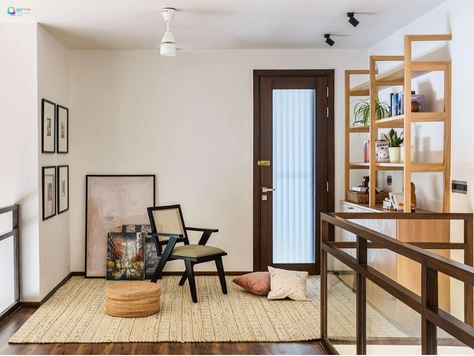
In recent years, the concept of a minimalist lifestyle has gained massive popularity among Indian millennials. Faced with rising living costs, digital overload, and constant consumer pressure, many young Indians are choosing simplicity over excess.
Minimalism today is not just about owning fewer things-it’s about intentional living, smarter spending, and focusing on what truly matters. From decluttered homes to eco-friendly fashion and digital detox habits, the minimalist lifestyle is reshaping modern urban India.
What Is a Minimalist Lifestyle?
A minimalist lifestyle focuses on reducing unnecessary possessions and distractions. It encourages:
- Owning fewer but better-quality items
- Prioritizing experiences over material goods
- Reducing mental and physical clutter
- Living with purpose and clarity
For Indian millennials, minimalism is becoming a practical solution to modern stress and financial pressure.
Why Indian Millennials Are Choosing Minimalism
Rising Cost of Living
In cities like Mumbai, Bangalore, and Delhi, living expenses have increased significantly. A minimalist lifestyle helps reduce unnecessary spending and manage finances better.
Digital Overload
Constant notifications and social media pressure have led to burnout. Many millennials are simplifying their digital lives using apps like Notion and Forest to stay focused and reduce distractions.
Environmental Awareness
Sustainability is a major driver. Millennials are choosing eco-friendly brands like Bare Necessities and Brown Living to support a cleaner, greener future.
Key Minimalist Lifestyle Trends in India
1. Decluttering Homes and Smart Living Spaces
Indian millennials are embracing clutter-free homes with functional designs. Instead of filling spaces with unnecessary items, they focus on:
- Multi-purpose furniture
- Open layouts
- Clean aesthetics
Brands like IKEA and Urban Ladder are popular for offering minimalist, space-saving furniture perfect for small apartments.
Example: A young professional in Bangalore may choose a foldable desk from IKEA instead of bulky furniture, saving both space and money.
2. Capsule Wardrobes and Minimal Fashion
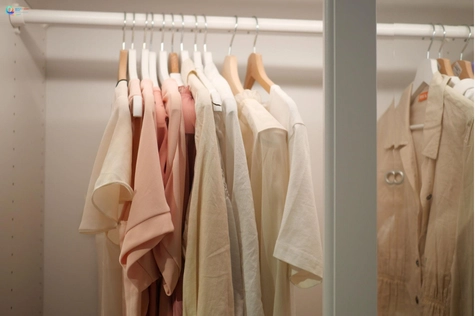
Fashion is shifting from fast trends to timeless essentials. Millennials are building capsule wardrobes with:
- Limited versatile outfits
- Neutral colors
- High-quality fabrics
Popular minimalist fashion brands include:
- No Nasties – Organic and sustainable clothing
- Nicobar – Clean and modern fashion
- Okhai – Handmade minimalist designs
Example: Instead of buying 10 trendy shirts, a minimalist may invest in 3 high-quality pieces from No Nasties that last longer.
3. Digital Minimalism and Focused Living
Digital clutter is a major issue in modern life. Indian millennials are simplifying their digital habits by:
- Reducing screen time
- Deleting unnecessary apps
- Practicing “no phone” hours
Apps like Notion help organize tasks, while Forest encourages users to stay away from distractions.
Example: A student preparing for exams uses Forest to stay focused by locking their phone during study sessions.
4. Mindful Spending and Financial Minimalism
A minimalist lifestyle has transformed how millennials spend money. Instead of impulsive shopping, they:
- Evaluate the necessity of purchases
- Focus on long-term value
- Avoid fast fashion and wasteful spending
Example: Instead of frequently buying cheap decor, millennials invest in durable products from brands like The White Teak Company for long-term use.
This shift leads to better savings and financial stability.
5. Eco-Friendly and Sustainable Living
Sustainability is at the core of minimalism in India. Millennials are choosing:
- Reusable products
- Zero-waste alternatives
- Eco-friendly brands
Popular choices include:
- EcoRight – Sustainable bags
- Bamboo India – Eco-friendly essentials
- Bare Necessities – Zero-waste products
Example: Replacing plastic bags with reusable totes from EcoRight is a simple step toward minimalism.
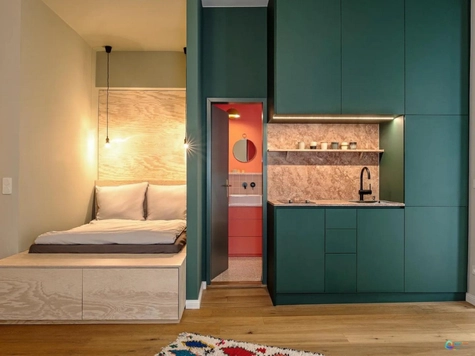
6. Smaller Homes and Smart Spaces
With rising real estate prices, millennials are opting for smaller, efficient homes. These spaces focus on:
- Smart storage solutions
- Multi-functional furniture
- Minimal decor
Example: A studio apartment in Mumbai may use a sofa-cum-bed from Pepperfry to maximize space.
7. Experiences Over Possessions
Instead of buying more items, millennials are investing in:
- Travel
- Fitness and wellness
- Learning new skills
This shift reflects a deeper understanding that happiness comes from experiences, not material possessions.
Example: Instead of buying expensive gadgets, many millennials prefer spending on trips or courses that add value to their lives.
Benefits of a Minimalist Lifestyle
Adopting a minimalist lifestyle offers several advantages:
- Reduced Stress: Clean spaces improve mental clarity
- Financial Freedom: Less spending means more savings
- Better Focus: Fewer distractions increase productivity
- Sustainability: Reduced waste benefits the environment
Minimalism helps create a balanced and fulfilling life.
Challenges of Minimalism in India
Despite its benefits, minimalism comes with challenges:
- Cultural expectations to own more
- Emotional attachment to belongings
- Social pressure to follow trends
However, awareness is growing, and more millennials are successfully embracing this lifestyle.
How to Start a Minimalist Lifestyle
Beginners can start small:
- Declutter one room at a time
- Avoid impulse purchases
- Limit digital distractions
- Choose quality over quantity
- Support sustainable brands
Consistency is key to long-term success.
Future of Minimalist Lifestyle in India
The future of the minimalist lifestyle in India is promising. With increasing awareness about sustainability, mental health, and financial independence, more millennials are expected to adopt minimalism.
Trends that will grow include:
- Eco-friendly products
- Digital detox habits
- Smart homes
- Conscious consumerism
Conclusion
The rise of the minimalist lifestyle among Indian millennials reflects a powerful shift in mindset. From decluttered homes and capsule wardrobes to eco-friendly living and mindful spending, minimalism is transforming how young Indians live.
With the support of brands like IKEA, No Nasties, and Bare Necessities, adopting minimalism has become easier and more accessible.
Minimalism is no longer just a trend—it is a smarter, more intentional way of living in today’s fast-paced world.
Fast and trusted updates from Quick Pulse News